It’s now been almost a year since I decided to leave my role at Ericsson in Linköping to try working as a consultant. At the time, it felt like a big step — stepping away from something familiar into something more uncertain. My choice of consulting firm was largely based on a feeling — a sense of belonging and alignment with the people I met. Looking back, that instinct turned out to be right.
Shortly after signing my contract, I secured my first assignment. It’s the same assignment I’m still on today, and I’ll most likely continue there for at least another year. Staying on the same assignment for this long has given me the chance to not only contribute, but to truly grow into the role, understand the organization, and build strong relationships along the way. This past year has taught me a lot about what it really means to be a consultant. It’s not just about delivering results — it’s about quickly adapting to new environments, navigating ambiguity, and creating value from day one. It’s also about understanding people, building trust over time, and knowing when to listen more than you speak.
I’ve also learned that development doesn’t only come from big milestones, but from small, consistent habits — asking questions, seeking feedback, taking ownership, and continuously improving. There have been challenges too, of course. Moments of uncertainty, steep learning curves, and times where I’ve had to push myself outside my comfort zone. But those moments have also been the most valuable.
If there’s one thing I take with me from this first year, it’s this: trusting your instincts matters more than you think. Looking forward to continuing this journey, building on what I’ve learned, and seeing what the next year brings.
Some thoughts
- You’re not paid to know everything — you’re paid to figure things out.
- The shift from “having answers” to “asking better questions” is real.
- Clarity beats complexity.
- Early on, it’s tempting to overcomplicate to prove value. In reality, the best consultants simplify. If your client can’t explain your solution to someone else, you’ve missed the mark.
- Great analysis means nothing if people don’t buy into it. Listening, aligning expectations, and communicating clearly matter just as much as the work itself.
- Feedback is your fastest accelerator.
- Your manager isn’t a mind reader.
- Overcommunicate progress, risks, and blockers. It’s not about needing help — it’s about building trust.
- Time is your most valuable asset.
- Learning how to prioritize, estimate effort, and avoid unnecessary perfectionism is a game changer.
- Imposter syndrome doesn’t really go away. You just get better at working despite it.
- Taking notes, summarizing meetings, following up quickly — these small things quietly set you apart over time.
- Relationships matter more than you think.
- People remember how you made collaboration feel. That reputation follows you.
- It’s a marathon, not a sprint.
- You don’t need to prove everything in your first year. Focus on building a strong foundation.
Still learning every day — but that’s kind of the point.
Hoping for in the following year
Over the past year, I’ve grown significantly as a leader. Taking on a younger team has brought both clear challenges and real opportunities — often at the same time. From the start, it was evident that this was a team with strong potential, but also one that needed structure, clarity, and space to grow. The team has shown a genuine willingness to embrace change, and together we’ve explored, tested, and evaluated different ways of working. Not everything has worked, but each iteration has taught us something valuable. Over time, those learnings have helped us become more aligned, more efficient, and more confident in how we operate.
We’re not fully where we want to be yet — but we’re moving in the right direction, and we’re starting to see the results of the foundation we’ve been building. Working with a relatively young team, many with limited work experience, has also meant spending a significant amount of time discussing expectations, ownership, and accountability. What does “good” look like? What does it mean to take responsibility — not just for your own tasks, but for the product and the team as a whole? These are conversations we’ve returned to again and again.
At times, this has required patience and a conscious effort to meet people where they are, while still challenging them to grow. As a leader, it has pushed me to be clearer in my communication, more consistent in my expectations, and more deliberate in how I support and develop others. What stands out the most, however, is the ownership the team has taken over time. It hasn’t happened overnight, but step by step, individuals have stepped up, taken initiative, and shown pride in what we are building together. That shift — from being guided to taking true ownership — has been one of the most rewarding parts of this journey.
There is still more to do, more to learn, and more to improve. But if this year has shown me anything, it’s that with the right environment, trust, and mindset, people grow — and teams can become something much stronger than the sum of their parts.
Looking ahead, I hope my consulting firm invests more in personal development and leadership training over the coming year. It’s something I’ve missed throughout this past year, and an area I believe would make a meaningful difference — not just for me, but for many of us. Continuous learning is a big part of why I chose this path, and I’d really value more structured opportunities to grow as a leader, exchange experiences, and gain new perspectives.
I would also love the opportunity to attend more conferences and find forums where I can challenge myself, stay inspired, and keep developing — both professionally and personally.
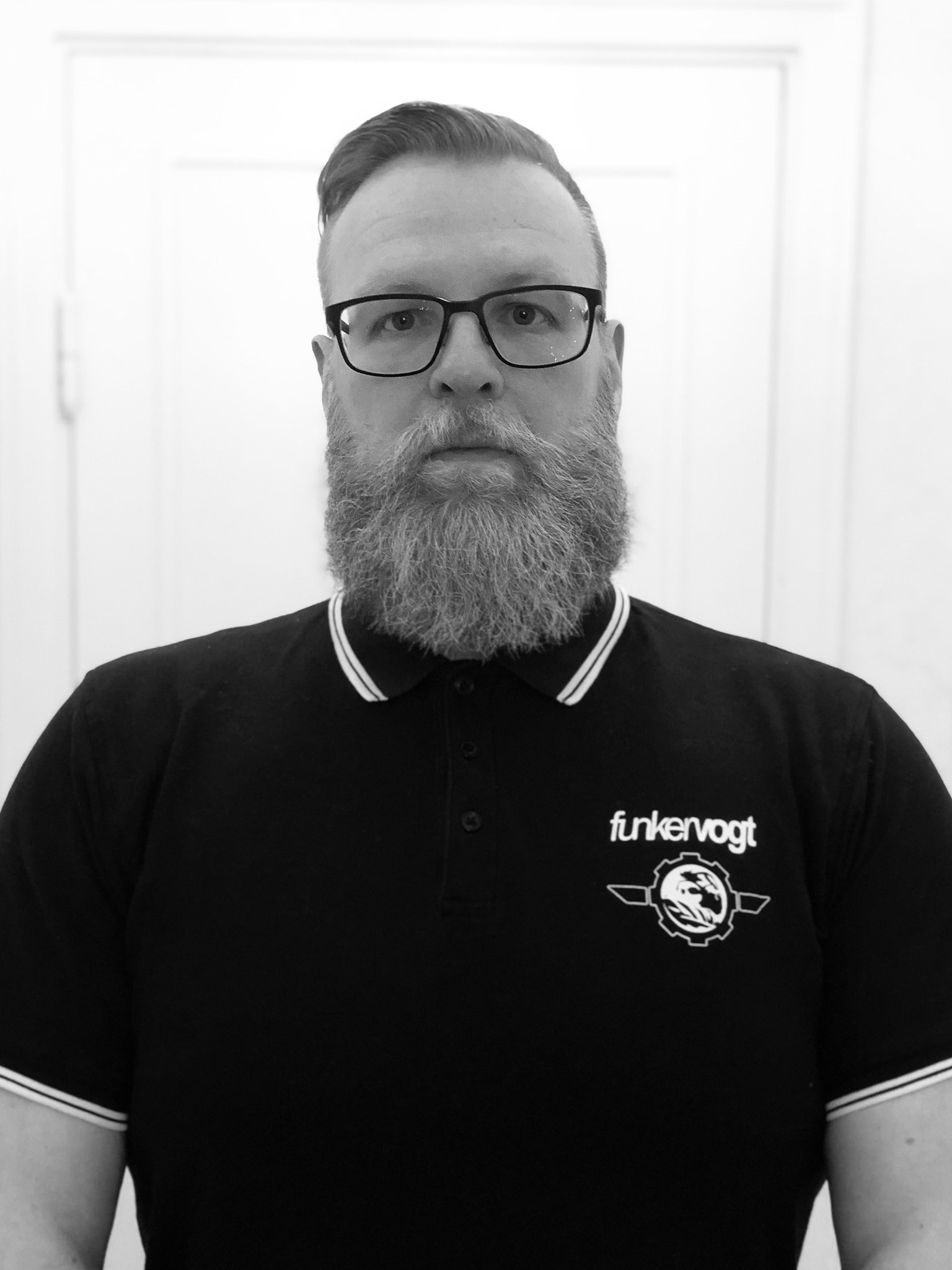 Hi! I’m NIklas Hilding. I’m a consultant team leader and software engineer.